Tan Sri Lim Hock San’s Interview with The Selangor’s《雪州志》
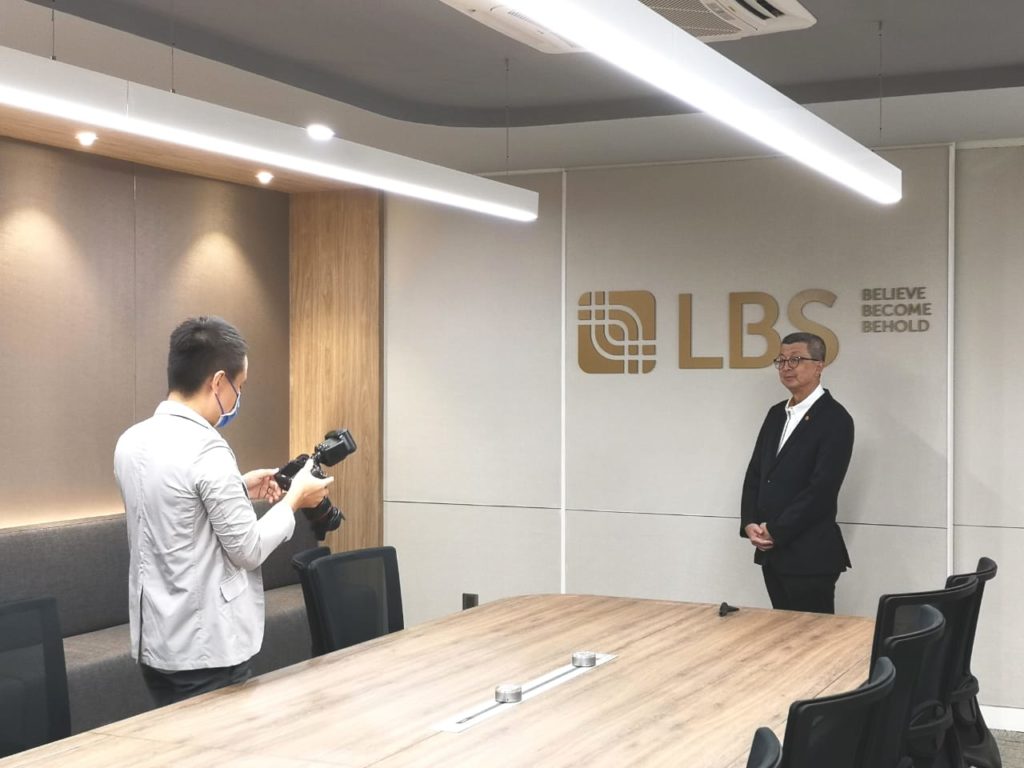
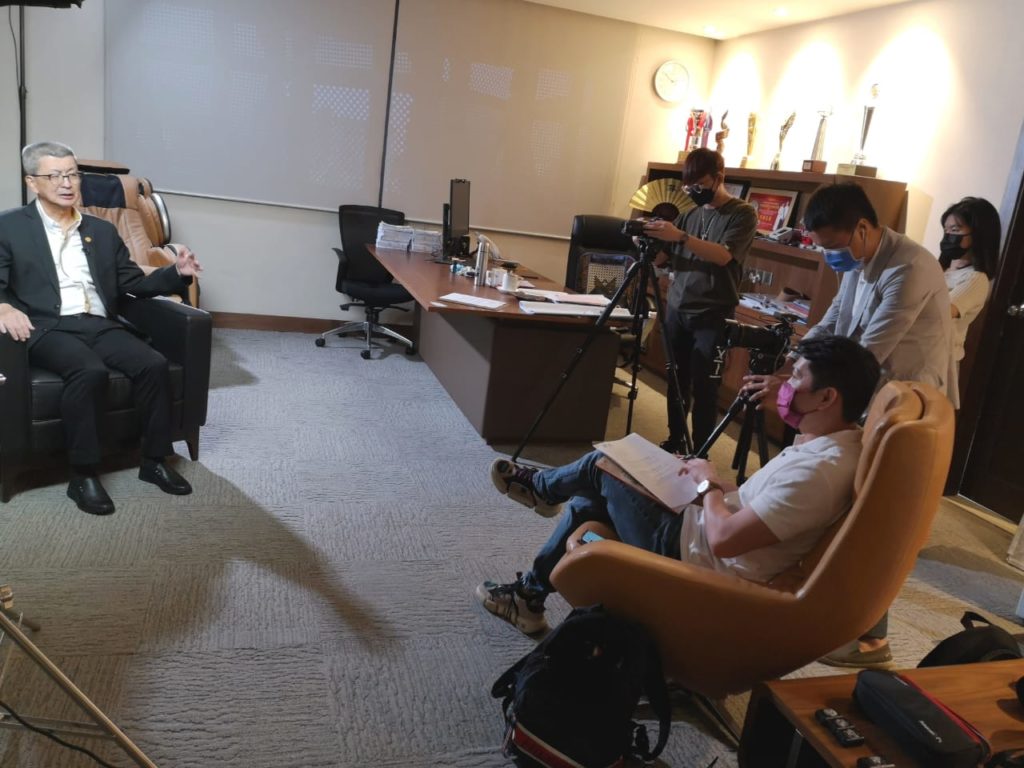

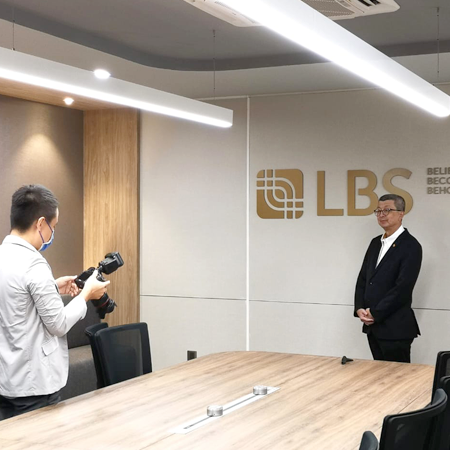
In the interview with The Selangor’s《雪州志》, Tan Sri Lim Hock San shed some light on his property investment viewpoint and discussed the potential development on the real estate in the Klang Valley. The interview also touched the properties scenario during pre-pandemic and post-pandemic.
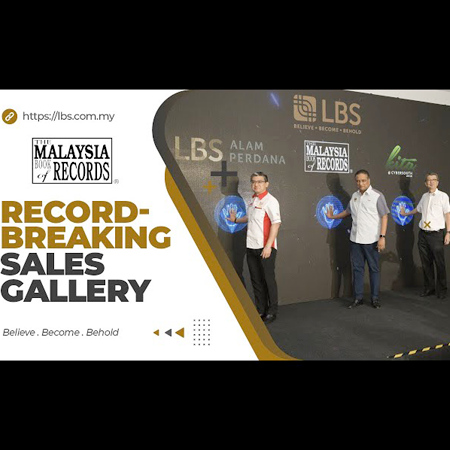
After our first conferment of the Malaysia Book of Records, we are back at it again but this time for the most show house units under one sales gallery!
Full-size show houses and with a wide variety of types under one roof! Visit at the KITA @ Cybersouth sales gallery or visit our virtual gallery at https://virtualfair.lbs.com.my/
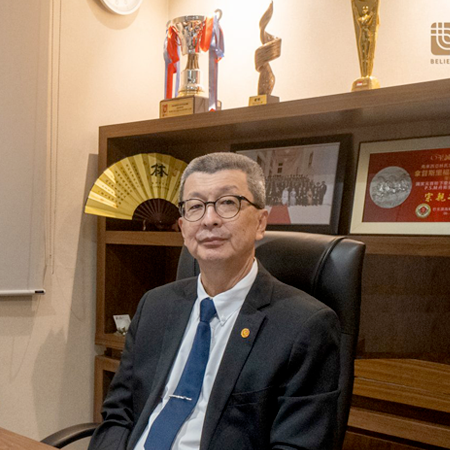

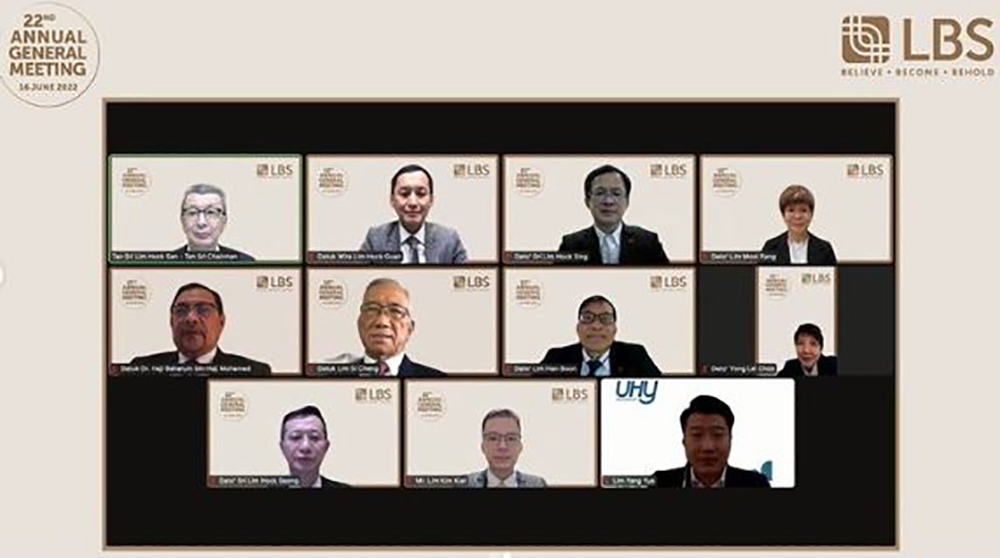
For a more detailed update, feel free to access LBS’s press release below:
https://lbs.com.my/media/20220616-lbs-foresees-recovery-in-property-sector-in-2022/
1. Introduction
Changes in management are inevitable and can present unique challenges. LBS Bina Group Berhad has established a succession plan to provide continuity in the leadership pipeline and avoid extended and costly vacancies in key positions.
Succession planning requires collaboration across the organization. It is an ongoing process to ensure that the Group identifies high-potential employees and prepare them for high-level management positions through mentoring, coaching and training to replace those key business leaders who leaves their positions.
2. Objective
(1) To ensure the stability and accountability of the Group by having a plan to support operation and service continuity when the Managing Director, Executive Directors or Senior Management leave their positions;
(2) To help the Group in preserving its information and knowledge that will be lost due to resignation, retirement or general attrition;
(3) To prepare a diverse pool of suitably qualifies and motivated employees for higher role and responsibilities; and
(4) To develop career paths for employees which will facilitate the Group’s ability to recruit, train and retain top-performing or high talent employee, by addressing competency and skill gaps.
3. Roles And Responsibilities
Key positions are identified as follows:
(a) Group Managing Director;
(b) Executive Directors; and
(c) Head of Departments (Senior General Managers and General Managers).
The Board is responsible for succession planning for the Managing Directors and Executive Directors’ position. The Board should consider either to hire or to internally promote the new Managing Director and Executive Directors, when anyone of the mentioned positions leaves and to ensure the successor has the required skills to implement the Group’s mission and vision.
Whereas, the Executive Director is responsible for the succession planning for the Head of Departments (Senior General Managers and General Managers) in the Group.
4. Succession Planning Process
(1) Identify capabilities and talent needs, based on strategic business plan and Company’s Vision and Mission;
(2) Determine the required capabilities for critical positions;
(3) List down the competency profile of the selected talents or employees;
(4) Analyse and match the competencies between the critical positions and the selected employee to identify the gaps;
(5) Provide high level development plan for the selected employees to develop into target positions;
(6) Assess the performance of the selected employees on a periodic basis; and
(7) Monitor and track the overall progress.
5. Key Success Factors
The support from the Board, Managing Director, Executive Directors and Senior Management are important for the succession planning process. This will give all employees and understanding and emphasis on the importance of succession planning to the Company.
The selected employees should be provided with adequate time for development and mentoring. Regular review and update for the succession plan is vital to ensure the hiring needs and assess the development progress of the selected candidates.
6. Review
This Policy has been endorsed by the Board. It shall be reviewed by the Nomination and Remuneration Committee (“NRC”) and updated from time to time to ensure the Group remains at the forefront of best practices in corporate governance. Any subsequent amendments to this Policy should be endorsed by the Board upon recommendation by NRC.
1. Introduction
The Company has formulated a policy called “Remuneration Policy” to ensure the payment of equitable, competitive remuneration to key managerial personnel, senior management and all employees of the Company which is based on individual performance, Company’s benchmark, Industry practices and performance of the Company as a whole.
2. Key Principles
The following set of principles act as guiding factors:
(a) Performance measures and targets to be aligned with the Company’s corporate strategy and its shareholders’ interest;
(b) Promote a culture of “Pay for Performance” as its business drivers; and
(c) Reflective of market competitiveness so as to attract the best talent.
3. Objective And Purpose
(1) To determine remuneration based on the Company’s business outlook, financial position, growth and trends and practices on remuneration prevailing in competitive compensation;
(2) To align reward and recognition mechanism directly to the effort, performance, dedication and achievement relating to the Company’s operations;
(3) To attract, retain, motivate and promote talent and to ensure long term sustainability of talented persons and create competitive advantage; and
(4) To ‘Pay for Performance’ i.e. the remuneration shall be linked to the individual performance and to strike the right balance between fixed and variable pay reflecting short and long term performance objectives appropriate to the goals of the Company.
4. Key Managerial Personnel, Senior Management & Employees
The compensation for the key managerial personnel, senior management and employees of our organization would be guided by the external competitiveness and internal parity through annual benchmarking surveys. The remuneration structure is broadly divided into fixed and variable components. The fixed component comprises salary, allowances, perquisites, benefits-in-kind etc. The variable component comprises annual performance bonus of the individual employee and Company’s performance as a whole.
Internally, performance ratings of all employees would be spread across a normal distribution bell curve. The rating obtained by an employee will be used as an input to determine bonus payout and annual pay increases. Variable and annual pay increase will be calculated using a combination of individual performance and organizational performance. Compensation can also be determined based on identified skill sets which is critical to the success of our organization. It is determined as per management’s review of market demand and supply, Industry benchmarks etc.
The competitive comparator is selected based on Industry Relevance, Task relevance and
Size of Organization.
5. Pay For Performance
A distribution bell curve is built to maintain significant differential between low, average and high performers. Remuneration Policy emphasis on performance besides taking into consideration of employees’ attendance record and disciplinary issues. The variable and annual pay increase are determined based on the standard evaluation matrix prevailing in the organization.
6. Review Policy
This Policy has been endorsed by the Board. It shall be reviewed by the Nomination and Remuneration Committee (“NRC”) and updated from time to time to ensure the Group remains at the forefront of best practices in corporate governance. Any subsequent amendments to this Policy should be endorsed by the Board upon recommendation by NRC.
1. Introduction
LBS Bina Group Berhad (“LBGB” or “Company”) recognises the importance of establishing and upholding good corporate governance in its daily business operations in accordance with the highest ethical standards and in full compliance with all applicable laws, regulations and/or standards in all jurisdictions in which the Group operates.
The Company has at all material times adopt a zero tolerance approach against all forms of bribery and corruption within the Company and remains committed to comply with all laws and regulations which govern the Company’s business and operation to the highest standards of ethical conduct and integrity, professionally and fairly.
2. Scope
This policy is applicable to the LBGB Personnel, its subsidiaries (“LBGB Group” or “Group”) and Business Associates acting on LBGB Group’s behalf. Joint-venture companies and associated companies are encouraged to adopt these or similar principles.
3. Definition
“Audit Committee” means the Audit Committee of LBGB.
“Board of Directors” means the LBGB Group’s Board of Directors.
“Bribery & Corruption” means any action which would be considered as an offence of giving or receiving ‘gratification’ under the Malaysian Anti-Corruption Commission Act 2009 (“MACCA”). In practice, this means offering, giving, receiving or soliciting something of value in an attempt to illicitly influence the decisions or actions of a person who is in a position of trust within an organisation.
Bribery may be ‘outbound’, where someone acting on behalf of LBGB Group attempts to influence the actions of someone external, such as a Government official or client decision-maker. It may also be ‘inbound’, where an external party is attempting to influence someone within the Company such as a senior decision-maker or someone with access to confidential information.
“Business Associate” means an external party with whom LBGB Group has, or plans to establish, some form of business relationship. This may include clients, customers, joint ventures, joint venture partners, consortium partners, outsourcing providers, contractors, consultants, subcontractors, suppliers, vendors, advisers, agents, distributors, representatives, intermediaries and investors.
“Conflict of Interest” means when a person’s own interests either influence, have the potential to influence, or are perceived to influence their decision making at LBGB Group.
“Donation & Sponsorship” means charitable contributions and sponsorship payments made to support the community.
“Gratification” is defined in the MACCA to mean the following:
(a) money, donation, gift, loan, fee, reward, valuable security, property or interest in property being property of any description whether movable or immovable, financial benefit, or any other similar advantage;
(b) any office, dignity, employment, contract of employment or services, and agreement to give employment or render services in any capacity;
(c) any payment, release, discharge or liquidation of any loan, obligation or other liability; whether in whole or in part;
(d) any valuable consideration of any kind, any discount, commission, rebate, bonus, deduction or percentage;
(e) any forbearance to demand any money or money’s worth or valuable thing;
(f) any other service or favour of any description, including protection from any penalty or disability incurred or apprehended or from any action or proceedings of a disciplinary, civil or criminal nature, whether or not already instituted, and including the exercise or the forbearance from the exercise of any right or any official power or duty; and
g) any offer, undertaking or promise, whether conditional or unconditional, of any gratification within the meaning of any of the preceding paragraphs (a) to (f).
“Hospitality” means the considerate care of guests, which may include refreshments, accommodation and entertainment at a restaurant, hotel, club, resort, convention, concert, sporting event or other venue such as Company offices, with or without the personal presence of the host. Provision of travel may also be included, as may other services such as provision of guides, attendants and escorts; use of facilities such as a spa and golf course.
“Personnel” means Directors and all individuals directly contracted to the Company on an employment basis, including permanent, temporary employees and interns.
4. Objective
This policy sets out LBGB Group’s overall position in observing and upholding LBGB Group’s stance against bribery and corruption in all its forms, as well as to provide guidance and information on the recognition of bribery and corruption and methods of dealing with such circumstances.
5. Anti-Bribery And Corruption Policy
LBGB Group prohibits all forms of bribery and corruption in relation to all its activities.
Bribery and corruption may take the form of anything of value, such as money, goods, services, property, privilege, employment position or preferential treatment. LBGB Personnel and its Business Associates shall not whether directly or indirectly, offer, give, receive or solicit any item of value, in the attempt to illicitly influence the decisions or actions of a person in a position of trust within an organisation, either for the intended benefit of the Group or the persons involved in the transaction.
The anti-bribery and corruption statement applies equally to its business dealings with commercial (‘private sector’) and Government (‘public sector’) entities, and includes their directors, officers, agents and other appointed representatives.
No employee or external party will suffer discrimination, demotion, penalty or other adverse consequences in retaliation for refusing to pay or receive bribes or participate in other illicit behaviour.
6. Recognition of Relevant Legislation
LBGB Group is committed to conduct its business ethically and in compliance with all applicable laws and regulations in each country and/or jurisdiction that it conducts its business in, including but not limited to MACCA, Malaysian Penal Code (revised 1977) (and its amendments) and the Companies Act 2016 (Malaysia) or such other applicable laws in each respective country and/or jurisdiction.
In cases where there is a conflict between mandatory law of each country and/or jurisdiction, and the principles contained in this policy herein, such law shall prevail.
7. Gifts & Hospitality
LBGB Personnel are prohibited from receiving or asking for (soliciting) gifts from external parties. Under no circumstances may LBGB Personnel accept gifts in the form of cash or cash equivalent, including gift certificates, loans, commissions, coupons, discounts or any other related forms.
There are exception whereby receiving and provisions of the gifts are permitted in the following situation:-
a) Exchange of gifts or the corporate gifts of nominal / appropriate value at the company-to-company level (for example: gifts exchanged between companies as part of official visit);
b) Festive or ceremonial gifts of appropriate value during festive seasons or other ceremonial occasions;
c) Gifts given to external organisations or individual in relation to company official function, work-related conferences, corporate events and activities (for example: door gifts or commemorative gifts to all that attending the events);
d) Corporate gifts bearing the Company’s name and logo and are of nominal / appropriate value.
8. Entertainment
It is a common practice within the business environment to provide entertainment to foster business relationship by providing reasonable and proportionate entertainment under appropriate circumstances. LBGB Personnel may offer appropriate and proportionate entertainment that is legal and reasonable within the scope of their work as part of business networking as well as a measure of goodwill towards the recipients.
LBGB Personnel is expected to always exercise proper care and good judgement when providing entertainment to external parties.
9. Donation And Sponsorship
LBGB Group may offer charitable donations and sponsorships provided that they are ethical and legal under applicable laws and not with the intention to influence any business decisions or cause others to perceive it as such.
10. Conflict Of Interest
Conflict of interest arise in situations where there is personal interest that could be considered to have potential interference with objectivity in performing duties or exercising judgment on behalf of the Company. All Personnel should avoid situations in which personal interest could conflict with their professional obligations or duties. Personnel must not use their position, official working hours, Company’s resources and assets, or information available to them for personal gain or to the Company’s disadvantage.
11. Recruitment And Promotion
LBGB Group recognises the value of integrity in its Personnel and Business Associates. The Company’s recruitment, training, performance evaluation, remuneration, recognition and promotion for all LBGB Personnel, including management, shall be designed and regularly updated to recognise integrity.
12. Staff Declaration
All LBGB Personnel shall certify in writing that they have read, understood and will abide by this policy. A copy of this declaration shall be documented and retained by the Human Resources Department for the duration of the Personnel’s employment.
13. Systematic Review & Monitoring
LBGB Group recognises that managing an anti-bribery and corruption programme is a continuous process, risk assessment and a systematic review and monitoring process is necessary to ensure its objectives are being met. The Audit Committee will be responsible for overseeing the process of reviewing the effectiveness and compliance to the anti-bribery and corruption programme and policy. The reviews may take the form of independent audits carried out by an external party, where necessary.
14. Record Keeping
LBGB Personnel must ensure that all expense claims relating to hospitality, gifts or expenses incurred to Business Associates and/or any person are submitted in accordance with the Company’s applicable policy and specifically record the reason for such expenditure. LBGB Personnel shall further ensure that all expense claims shall comply with the terms and conditions of this policy.
15. Reporting Of Policy Violation
It is the responsibility of LBGB Personnel to prevent, detect and/or report any bribery and other forms of corruption.
Suitable reporting channels have been established and maintained for receiving information regarding violations of this policy, and other matters of integrity provided in good faith by LBGB Personnel and Business Associates and is provided for under the Whistle Blowing Policy. For further details, the Whistle Blowing Policy of LBGB is available at the Company’s corporate website, www.lbs.com.my.
Reports made in good faith, shall be addressed in a timely manner and without incurring fear of reprisal regardless of the outcome of any investigation.
Retaliation in any form against LBGB Personnel where the person has, in good faith, reported a violation or possible violation of this policy is strictly prohibited. Any LBGB Personnel found to have deliberately acted against the interests of a person who has in good faith reported a violation or possible violation of this policy shall be subjected to disciplinary proceedings including demotion, suspension, dismissal or other actions (including legal action) which
LBGB Group may pursue.
16. Training & Communication
LBGB conducts awareness programmes for the Personnel to refresh awareness of anti-bribery and anti-corruption measures, and to continuously propagate integrity and ethics.
17. Consequences Of Non-Compliance
LBGB Group regards bribery and acts of corruption as serious matters and will apply penalties in the event of non-compliance to this policy. For LBGB Personnel, non-compliance may lead to disciplinary action, up to and including termination of employment.
For external parties, non-compliance may lead to penalties including termination of contract. Further legal action may also be taken in the event that LBGB Group’s interests have been harmed by the results on non compliance by individuals and organisations.
18. Reviw Of The Policy
This policy has been endorsed by the Board of Directors and is made available for reference on Company’s corporate website and internal computer networking system.
It shall be reviewed by the Board of Directors and updated whenever necessary to ensure its effective implementation. Any subsequent amendments to this Policy should be approved by the Board of Directors upon recommendation by the Audit Committee.
1. INTRODUCTION
LBS Bina Group Berhad (“LBGB” or “Company”) is committed in promoting high standard of integrity and accountability as well as good corporate governance practices in managing its day-to-day businesses and operations. The Company also aims to conduct its affairs in an ethical, responsible and transparent manner.
The Whistle Blowing Policy (“Policy”) is designed to allow Whistleblower, as hereinafter defined, to disclose any improper conduct in accordance with the procedures and to provide protection to the Whistleblower from reprisal as consequences of making such disclosure.
This Policy is created to enhance the alignment with all the existing laws namely the Whistleblower Protection Act 2010, Companies Act 2016, Malaysian Anti-Corruption Commission Act 2009, Capital Market and Services Act 2007, Personal Data Protection Act 2010 and other applicable laws and regulations in Malaysia pertaining to the above.
However, this Policy does not absolve employees and stakeholders from any statutory obligations contained in any Act and/or Regulation to report criminal offences and/or breaches of law with the relevant enforcement agencies.
This Policy shall be read conjunctively with the existing policies imposed on the Company’s Code of Ethics as well as the procedures set out in the Company’s Employee Handbook and other internal, statutory or regulatory reporting procedures. This policy is not to invalidate the existing policies but to provide more avenues to disclose improper conduct committed or about to be committed to the Company or may be harmful to the Company.
2. SCOPE
This Policy applies to all employees (including employees on contract terms, temporary or short-term employees and employees on secondment) or third parties who have become aware of or genuinely suspect on a reasonably belief that an employee of the Company and/or its subsidiary (“LBGB Group” or “Group”) has engaged, is engaged or is preparing to engage in any Improper Conduct, as hereinafter defined.
3. DEFINITIONS
“Confidential Information” shall include without limitation to the following:
a) information about the identity, occupation, residential address, work address or whereabouts of a Whistleblower and a person against whom a Whistleblower has made a disclosure of Improper Conduct;
b) information disclosed by a Whistleblower; and
c) information that, if disclosed, may cause detriment to any person.
“Detrimental Action” shall include without limitation to the following:
a) action causing injury, loss and/or damage;
b) intimidation and/or harassment;
c) interference with the lawful employment or livelihood of any person, including discrimination, discharge, demotion, suspension, disadvantage, termination or adverse treatment in relation to a person’s employment, career, profession, trade or business or the taking of disciplinary action; and
d) the threat to take any of the actions referred to above.
“Disciplinary Offence” means any action or omission which constitutes a breach of any laws or by-laws or discipline in the Group as provided by law or the Group’s code of conduct, policies and/or contract of employment, as the case may be.
“Improper Conduct” is any conduct which if proved, constitutes a Disciplinary Offence or a criminal offence. Improper Conduct includes, but not limited to, the following:
a) criminal offences, unlawful acts, fraud, corruption, bribery and blackmail;
b) failure to comply with legal or regulatory obligations;
c) misuse of the Group’s funds or assets;
d) an act or omission which creates a substantial and specific danger to the lives, health or safety of the employees or the public or the environment;
e) unsafe work practices or substantial wasting of the Group’s resources;
f) abuse of power by an officer of the Group; and
g) concealment or abetment of any of the above.
“Investigating Team” means authorised persons to receive report(s) and carry out investigation on Whistleblowing matters.
“Third Party” refers to the Group’ service providers, independent contractors, vendors, suppliers, customers or general public, where relevant.
“Whistleblower” is a person who disclose or reporting information or concerns on Improper Conduct in accordance with this Policy.
“Whistleblowing” is the disclosure of Improper Conduct based on one’s reasonable belief that any person has engaged, is engaging or preparing to engage in Improper Conduct. This applies even in circumstances where information regarding Improper Conduct is supposed to be treated as confidential.
4. OBJECTIVES
The objectives of this Policy are as follows:-
a) Provide avenue for all employees and third parties to disclose any Improper Conduct that adversely impacts the Group.
b) Provide opportunity and encourage employee to make any disclosure openly, honestly and transparency and that concerns raised will be treated fairly and properly.
c) Provide proper internal reporting channel to make a disclosure of any Improper Conduct made under this Policy.
d) Provide protection to the Whistleblower from reprisal as the consequences of making a disclosure and to safeguard his/her confidentiality.
e) To ensure the disclosure is in appropriate way and timely manner. Any anonymous disclosure will not be entertained.
f) To enhance the culture of openness and transparent by encouraging Whistleblower to raise concerns regarding any form of Improper Conducts without fear.
5. LIMITATIONS
This Policy does not however, cover any issues, complaints or concerns in relation to:-
a) matters which are trivial or frivolous in nature;
b) matters which are motivated by malice;
c) matters pending or determined through the Group’s disciplinary proceedings; and
d) matters pending or determined through any tribunal or authority or court, arbitration or other similar proceedings.
If a Whistleblower is unsure whether a particular act or omission constitutes an Improper Conduct under this Policy, he or she is encouraged to seek advice or guidance from his/her immediate superior or Head of Department, Head of Human Resources Department, or any member of the Investigation Team.
6. REPORTING
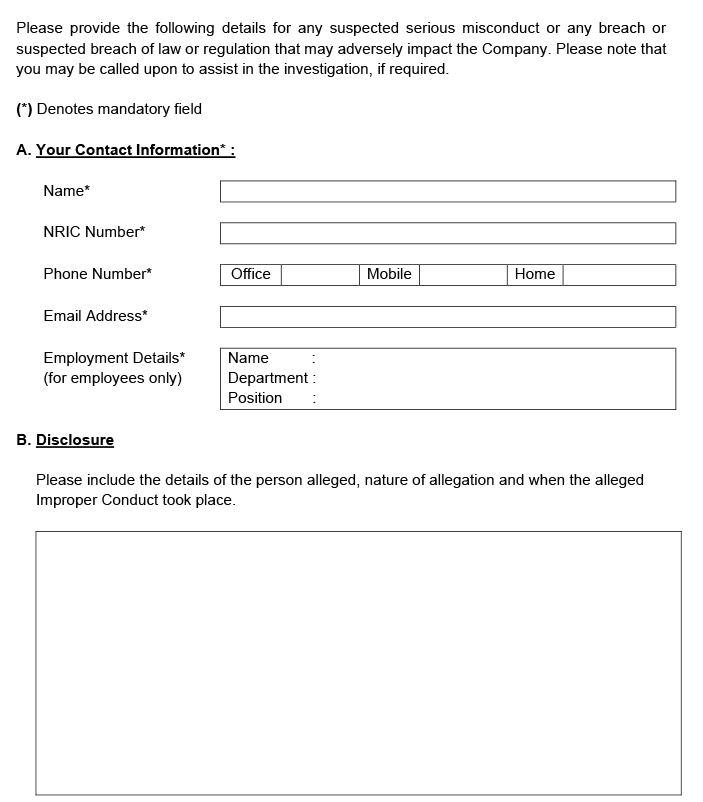
A disclosure of Improper Conduct shall be made to Investigating Team in writing by completing the Whistle Blowing Form. The form to be emailed to [email protected] which is accessible by all the Designated Persons in the Investigating Team, or hand over to the Designated Persons or post/courier to :
LBS BINA GROUP BERHAD
The Whistleblowing Investigating Team
Level 1-4, Plaza Seri Setia, No. 1, Jalan SS9/2, 47300 Petaling Jaya, Selangor.
The Designated Persons of the Investigating Team are as follows:
| Administrator: | Ms. Cindy Booi Sek Tze | Head of Human Resources Department |
|---|---|---|
| Mr. Kevin Loo | Head of Legal Department | |
| Investigating Committee: |
Datuk Haji Baharum bin Haji Mohamed |
Senior Independent Non-Executive Director |
| Datuk Lim Si Cheng | Independent Non-Executive Director | |
| Dato’ Lim Han Boon | Chairman of Audit Committee & Independent Non-Executive Director |
|
| Dato’ Yong Lei Choo | Independent Non-Executive Director |
7. PROCEDURES
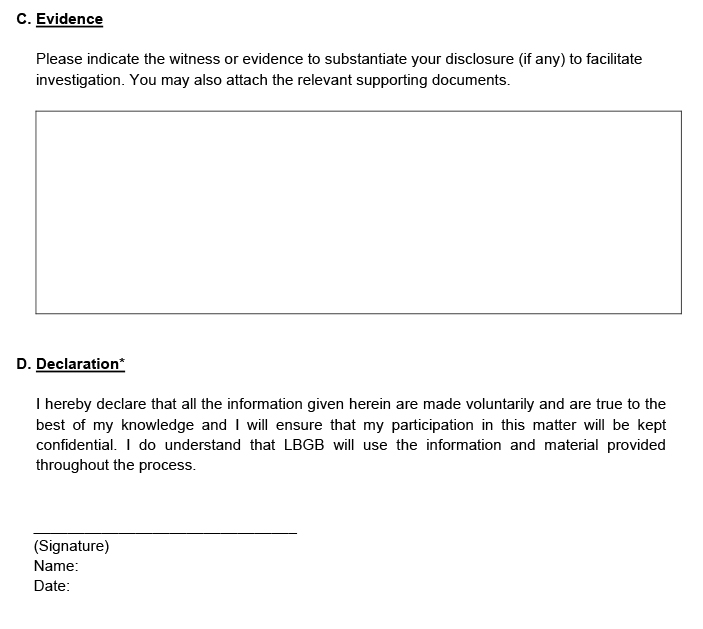
a) The Whistleblower that discovers or genuinely suspects any Improper Conduct shall submit the Whistle Blowing Form disclosing his/her name, contact number, details of alleged person(s), nature of allegation and provide evidence if possible, to the Investigating Team.
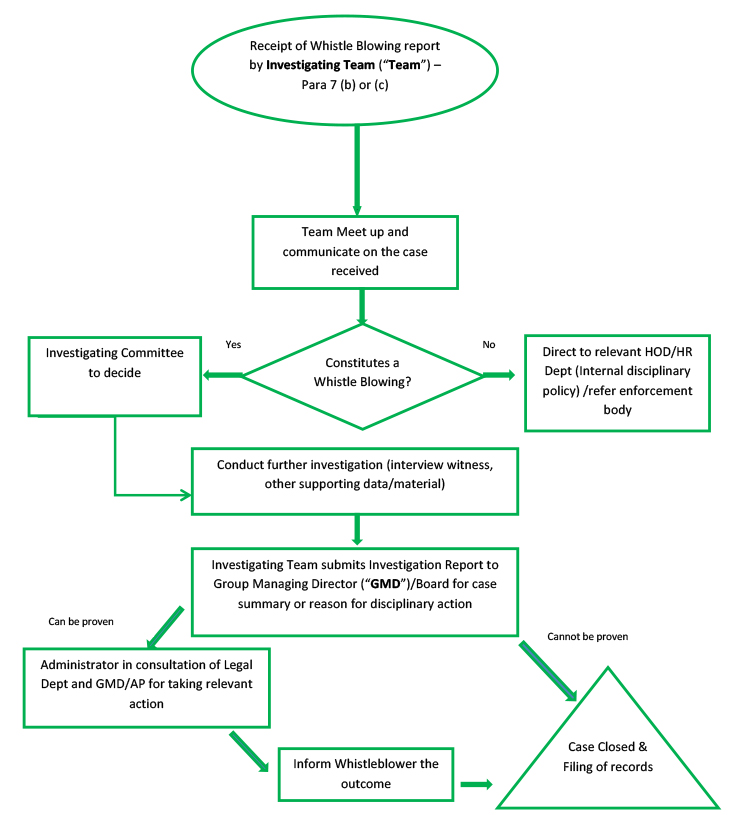
b) If the Improper Conduct involved any members of the Investigating Team, the implicated person(s) shall then be excluded from the activities of screening and subsequent follow-up actions including investigation. In the event, the implicated person is the Group Managing Director or his family member, the Board shall replace the function of Group Managing Director under this Policy.
c) The Administrator shall within seven (7) days (or extended deadline as approved by any one of the Investigating Committee) from the receipt of the Whistle Blowing Form, conduct a preliminary screening or assessment of the case and prepare a report (“Assessment Report”) to the Investigating Committee informing the result of assessment and recommend either to disregard the report or to take further action.
d) Within seven (7) days from the receipt of Assessment Report, so far as is practicable and reasonable, the Investigating Committee shall meet up with Administrator to discuss on the Assessment Report, after fair and due consideration, Investigating Committee has the authority to make final decision, including but not limited to, any of the following:
i) rejection of the Whistle Blowing Form, either in part of in total, if it falls outside the scope of this Policy;
ii) directing the matter or any part thereof to be dealt with under other appropriate internal procedures which includes disciplinary procedures;
iii) directing an investigation into the Whistleblowing made and on any persons involved or implicated;
iv) suspending the persons implicated in the Improper Conduct from work pending any further investigation and/or disciplinary procedures;
v) designating the Administrator or any other persons from within or outside of the Group to conduct investigations or take any other action pursuant to the Policy;
vi) obtaining any other assistance from third parties such as external auditors or obtaining legal advice whether from internal or external solicitors; and
vii) referring the matter to an appropriate enforcement agency, which includes the police and the Malaysian Anti-Corruption Commission.
e) The Investigating Committee may also exclude from its meetings any persons it deems appropriate, depending on the nature of the complaint.
8. CONDUCT OF INVESTIGATION
a) In the event further investigation is required, the Investigating Committee shall, as soon as possible, conduct an investigation into the matter.
b) The Investigating Committee may compel any relevant individual/witnesses deemed relevant to the subject matter reported to disclose evidence/data/materials through interview(s). The Investigating Committee shall have absolute discretion to render any assistance, as they may deem fit, to the witness during the interview, subject to a request made by the witness.
c) All interviews and activities carried out during the course of the investigation shall be recorded and reduced to writing and filed by the Investigating Team.
d) The Investigating Committee shall have free and unrestricted access to all records of the Group and shall have the authority to examine, obtain and/or make copies of all or any portion of the contents of the documents, files, desks, cabinets, and other storage facilities of the Group so far as it is necessary to assist in the investigation of the Improper Conduct.
9. INVESTIGATION REPORT
Upon the completion of the investigation procedures, the Investigating Team will submit an Investigation Report of findings to the Group Managing Director or the Board of Directors. The Whistleblower will be notified on the outcome of the investigation by the Administrator. The Investigation Report will contain the following sections, among others:-
a) The specific allegation(s) of Improper Conduct;
b) All relevant information/evidence received and the grounds for accepting/rejecting them. Copies of interview transcripts and any documents obtained during the course of investigation shall accompany the Investigation Report;
c) The conclusions made and the basis for them;
d) The steps or recommendations that need to be taken by the Group to prevent the Improper Conduct from continuing or re-occurring in future; and
e) Any further action to be taken by the Company in respect of the Improper Conduct. The further action includes initiating disciplinary proceedings and referring the matter to the appropriate external authority.
In the event the Group Managing Director or the Board of Directors (as the case may be) is satisfied that based on the findings and recommendations made in the Investigation Report,an Improper Conduct has been committed, the matter shall be referred to the Human Resources Department to follow up with disciplinary proceedings in accordance with the policies of the Company as well as to the Company’s Legal Department for further advice. No disciplinary action, which includes suspension or termination, shall be taken without the authorisation of the Group Managing Director or the Board of Directors.
If the Group Managing Director or the Board of Directors is not satisfied with the Investigation Report, he may instruct the Investigating Committee to proceed with further investigation.
10. REFERRAL TO EXTERNAL ENFORCEMENT AUTHORITY
Referral of the Improper Conduct, where appropriate, to the relevant enforcement body or the initiation of any legal action shall be managed by the Company’s Legal Department.
11. CONFIDENTIALITY
a) Reasonable steps will be taken by Administrator and Investigating Committee to maintain the confidentiality of Whistleblower’s identity and Confidential Information unless:-
i) the Whistleblower expressly agrees otherwise, and provides his/her agreement in writing; or
i) otherwise required by law.
b) The Whistleblower or any person who is involved in the investigation process, shall not disseminate to third parties information regarding the Improper Conduct or any part thereof, including the status of outcome of an investigation, except:
i) to those who are authorised under this Policy;
ii) by lodging a report of the Improper Conduct directly with an enforcement agency in accordance with the Whistleblower Protection Act 2010 or any other prevailing law;
iii) in adherence to any law or in adherence to a legally binding requirement of any statutory authority; or
iv) on a strictly confidential basis to a professionally qualified lawyer for the purpose of obtaining legal advice.
c) The Whistleblower shall not:
i) Contact the suspected individual to determine facts or demand restitution; and
ii) Discuss the case, facts, suspicions, or allegations with anyone except to assist in the investigation.
12. INVESTIGATION STATUS
All inquiries concerning the status of the investigation from the person implicated, his/her attorney or representative, or the Whistleblower should be made in writing and directed to the Investigating Committee.
A written response on the request for the status of the investigation will be provided within seven (7) days from the receipt of such written request, subject to any extension of time that may be granted by the Investigating Committee.
13. RECORD SAFEKEEPING
A confidential record of each disclosure will be marked ‘CONFIDENTIAL’ and stored securely by the Human Resources Department of the Company for not more than 7 years from the date the disclosure was lodged.
It is the responsibility of the Human Resources Department to be the guardian of the records and to ensure that the documents are properly filed.
All records of disclosures made shall be managed in compliance with the provisions of the Personal Data Protection Act 2010 and other applicable laws.
14. PROTECTION
Upon making a disclosure in good faith, based on reasonable grounds and in accordance with and pursuant to this Policy:
a) The Whistleblower shall be protected from any Detrimental Action within the Company as a direct consequence of the disclosure; and
b) The Whistleblower’s identity and such other Confidential Information of the Whistleblower shall not be disclosed save in accordance with Clause 11.
The protection against Detrimental Action is extended to any person related to or associated with the Whistleblower that have assisted in providing relevant information to the investigation.
The identity and personal information of the Whistleblower as well as the person implicated in the disclosure may be revealed to persons involved in investigations or any other processes save as so far as is necessary to assist and/or to assist investigations.
A Whistleblower may lodge a complaint to the Company, Administrator or the Investigating Committee of any Detrimental Action committed against the Whistleblower or any person related to or associated with the Whistleblower, by any personnel of the Company.
A Whistleblower or any person associated with her/him who fears or has suffered Detrimental Action may request to the Company in writing, for relocation of his/her place of employment. The Company shall, as far as is practicable, make arrangements for the relocation if there is a danger or likelihood of Detrimental Action and the only practicalmeans of removing or substantially removing the danger of the effect of Detrimental Action is by way of relocation.
The Whistleblower protection conferred under this Policy is not limited or affected notwithstanding that the disclosure of the Improper Conduct does not result in any disciplinary action of the person against whom the disclosure was made.
This Policy does not limit the protection conferred by any other written law to any person in relation to information given in respect of the commission of an offence.
The Whistleblower protection conferred under this Policy does not apply where a disclosure was made in a manner inconsistent with or not in compliance with the provisions of this Policy. Notwithstanding the above, the Whistleblower will still be conferred protection save as so far as afforded by the Whistleblower Protection Act 2010 or any other written law.
15. REVOCATION OF PROTECTION
The Company reserves the right to revoke the Whistleblower protection provided pursuant to this Policy if it is of the opinion, based on an investigation or in the course of an investigation that:
a) the Whistleblower herself/himself has participated in the Improper Conduct disclosed, except in instances where:
(i) the participation was under duress; or
(ii) in the view of the Company, the participation could be justified under the circumstances.
b) the Whistleblower willfully made in his/her disclosure of Improper Conduct a material statement which he/she knows or believes to be false or did not believe to be true;
c) the disclosure is made solely with the motive of avoiding dismissal or other disciplinary action;
d) the disclosure of Improper Conduct is frivolous and/or vexatious; and/or
e) the Whistleblower, in the course of making the disclosure or providing further information, breaches the provisions of this Policy and/or commits an offence underthe Whistleblower Protection Act 2010.
If the Whistleblower protection has been revoked, the Company shall give a written notice to the Whistleblower of the revocation together with reasons for the same.
16. REVIEW OF POLICY
This Policy has been endorsed by the Board of Directors and is made available for reference on Company’s corporate website and internal computer networking system.
It shall be reviewed by the Board of Directors and updated whenever necessary to ensure its effective implementation. Any subsequent amendments to this Policy should be approved by the Board of Directors upon recommendation by the Audit Committee.
FLOW CHART
1. Objective
The main objective of the Nomination and Remuneration Committee (“the Committee”) is to assist the Board in fulfilling its responsibilities in going through a formal process of reviewing the balance and effectiveness of its Board, identifying the skills needed and those individuals who might best provide them.
The Committee shall also assist the Board in fulfilling its fiduciary responsibilities for reviewing and making recommendations to the Board of Directors the terms of employment of and all elements of the remuneration of the Executive Directors and Senior Manager (Grade GM1 and above) of the Company.
2. Members
(1) The Committee shall comprise at least three (3) members, each of whom shall be appointed by the Board of Directors primarily from amongst the Independent Non-Executive Directors of the Company.
(2) The members of the Committee shall elect a Chairman from amongst their number whom shall be an Independent Non-Executive Director. In the absence of the Committee Chairman, the remaining members present shall elect one of them to chair the meeting.
(3) No alternate director can be appointed as a member of the Committee.
3. Meeting
(1) The quorum for meeting of the Committee shall be three (3).
(2) Meetings shall be held as and when appropriate, but shall not less than once in a calendar year.
(3) Meetings of the Committee shall be summoned by the Secretary of the Committee at the request of any member thereof. Notice of each meeting confirming the venue, time and date together with an agenda of items to be discussed, shall be forwarded to each member of the Committee not less than three (3) working days prior to the date of the meeting.
(4) The Company Secretary shall be the Secretary of the Committee.
4. Reporting Procedures
The Secretary shall circulate the minutes of meetings of the Committee to all members of the Committee. Minutes of each meeting shall be duly entered in the book provided therefor. The Chairman shall report on each meeting to the Board.
5. Authority
The Committee is authorized by the Board to undertake the specific duties and responsibilities stated below. The Committee is also authorized to obtain external legal or other independent professional advice, as it considers necessary.
6. Duties And Responsibilities
(1) With regard to the nomination functions, the Committee shall:-
(a) regularly review the structure, size and composition of the Board and make recommendations to the Board with regard to any adjustments that are deemed necessary;
(b) be responsible for identifying and nominating for the approval of the Board candidates to fill Board vacancies as and when they arise;
(c) keep under review the core competencies and skills required of Directors to best serve the business and operations of the Company and its Group as a whole with a view to ensure the continued ability to compete effectively in the marketplace;
(d) review the independence of Independent Directors on an annual basis;
(e) to facilitate annual evaluation and assessment of the effectiveness of the
Board as a whole and the Board Committees, as well as the contributions and performance of individual Directors and Board Committee members; and
(f) To review and facilitate Board’s induction program and training needs in areas which the Directors could improve on.
(2) It shall also make recommendations to the Board:
(a) with regard to plans for succession for directors and senior management positions;
(b) with regard to the re-appointment of any non-executive director at the conclusion of his/her specified term of office;
(c) for the continuation (or not) in service of any director who has reached the age of seventy (70);
(d) concerning the re-election by shareholders of any director under the “retirement by rotation” provisions in the Company’s Constitution;
(e) concerning any matters relating to the continuation in office as a director at any time; and
(f) any such regulations, guidelines and/or procedures to function effectively and fulfill the Committee’s objectives.
(3) The duties and functions of the Committee with regard to remuneration of the Directors shall include:-
(a) to establish and agree with the Board of Directors the framework or board policy for the remuneration of the executive directors and senior management;
(b) to provide an objective and independent assessment of benefits and incentives granted to the executive directors and senior management of the Company to encourage enhanced performance and are, in a fair and responsible manner, rewarded for their individual contributions to the success of the Group;
(c) within the terms of the agreed policy, recommend the total individual remuneration package of new executive director including, where appropriate, benefits and incentive payments.
(d) establish the policy for and scope of termination payments and compensation commitments;
(e) oversee any major changes in employee benefit structures throughout the Group; and
(f) ensure that provisions regarding disclosure of remuneration under the Listing Requirements of Bursa Malaysia Securities Berhad.
7. Review
The terms of reference shall be assessed, reviewed, updated from time to time when necessary and recommend the revised terms of reference to the Board for approval.
1. Objective
The main objective of the Audit Committee (“Committee”) is to assist the Board of Directors (“Board”) in fulfilling its fiduciary responsibilities relating to corporate accounting, system of internal controls, management and financial reporting practices of LBS Bina Group Berhad and its subsidiaries (“Group”).
2. Composition
(1) The Committee shall be appointed by the Board from amongst its number and shall consist of not less than three (3) members.
(2) All the members must be Non-Executive Directors, with a majority of them being Independent Directors. Independent Director shall be one who fulfills the requirements as provided in the Main Market Listing Requirements of the Bursa Malaysia Securities Berhad (“Bursa Securities”).
(3) The members of the Committee must be financially literate and at least one member:
(a) must be a member of the Malaysian Institute of Accountants (“MIA”); or
(b) must have at least three (3) years working experience and:
(i) passed the examinations specified in Part I of the 1st Schedule of the Accountants Act 1967; or
(ii) must be a member of one of the associations of accountants specified in Part II of the 1st Schedule of the Accountants Act 1967; or
(c) must have at least three (3) years’ post qualification experience in accounting or finance and:
(i) has a degree/master/doctorate in accounting or finance; or
(ii) is a member of any professional accountancy organization which has been admitted as a full member of the International Federation of Accountant; or
(d) must have at least 7 years’ experience being a chief financial officer of a corporation or having the function of being primarily responsible for the management of the financial affairs of a corporation.
(4) Members of the Committee shall elect a Chairman from amongst their number who shall be an Independent Director.
(5) No alternate director can be appointed as a member of the Committee.
(6) If a member of the Committee ceases to be a member resulting in the non-compliance of paragraph 1, 2 and 3 above, the Board must fill the vacancy within three (3) months.
(7) No former key audit partner shall be appointed as a member of the Committee before observing a cooling-off period of at least three (3) years.
(8) When a member ceases to be director of the Board, his membership in the Committee shall also cease accordingly.
(9) The terms of office and performance of the Committee and each of its members shall be reviewed by the Nomination and Remuneration Committee annually.
3. Quorum
The quorum for meeting of the Committee shall be two (2) in which the majority present in respect of such meeting must be Independent Directors. A valid quorum shall consist of at least one (1) member who is qualified under Paragraph 15.09(1)(c) of the Listing Requirements of Bursa Securities.
4. Chairman
(1) The members of the Committee must elect a Chairman from amongst their number who is an Independent Non-Executive Director.
(2) The Chairman of the Committee shall not be the Chairman of the Board.
(3) The Chairman is responsible for ensuring the overall effectiveness and independence of the Committee:
a) Planning and conducting meetings;
b) Overseeing reporting to the Board;
c) Encouraging open discussion during meetings; and
d) Maintaining active ongoing dialogue with management and both internal and external auditors.
(4) The Chairman together with other members should ensure, among others, that:
a) The Committee is fully informed about significant matters related to the Group’s audit and its financial statements and addresses these matters;
b) The Committee appropriately communicates its insights, views and concerns about relevant transactions and events to internal and external
auditors;
c) The Committee’s concerns on matters that may have an effect on the financial or audit of the Company are communicated to the external auditors; and
d) There is co-ordination between internal and external auditors.
5. Proceedings of Meeting
(1) Meeting shall be held at least four (4) times in a financial year. The Chairman of the Committee, and in consultation with the Secretary, should determine the frequency of the meetings.
(2) The Chairman may convene additional meetings at his discretion or if requested to do so by any of its member, the internal or external auditors to consider any matters within the scope and responsibilities of the Committee.
(3) Any member may participate in the meetings of the Committee by means of tele-conferencing whereby all persons attending or participating the meetings can hear each other. The person or persons participating the meetings in the aforesaid manner shall be deemed for all purposes to be present in person at such meetings.
(4) The key management, representative of the external auditors, other Board members, employees and/or external independent professional advisers may attend the meetings upon the invitation of the Committee.
(5) A resolution in writing signed by all the members in lieu of convening of a formal meeting shall be valid and effectual as if it had been passed at a meeting of the Committee duly convened and held. Any such resolution may consist of several documents in like form, each signed by one or more members.
(6) The resolution in writing and other documents signed by the members using digital signatures and/or electronic signatures shall be as valid, enforceable and effective as the original of the resolutions/documents duly sign physically provided that such digital signatures and/or electronic signatures are created in accordance with the Digital Signature Act 1997 and/or Electronic Commerce Act 2006.
(7) The Company Secretary shall be the Secretary of the Committee and shall responsible, with the concurrence of the Chairman, for drawing up and circulating the agenda and the notice of meetings together with the supporting explanatory documents to members prior to the meeting.
(8) Minutes of each meeting shall be duly entered in the minutes books and safekept by the Secretary at the registered office. The Secretary shall circulate the minutes of meetings of the Committee to all members of the Committee and the Board.
(9) The Committee shall meet with the External Auditors without the presence of other Board Members and Management of the Company at least twice in a financial year and whenever necessary.
6. Authority
The Committee shall within its terms of reference:
(1) have adequate resources which are required to perform its duties;
(2) have full access to any information as required to perform its duties;
(3) have the authority to investigate any activity within its terms of reference;
(4) have the authority to form sub-committee(s) if deemed necessary and fit;
(5) have the authority to delegate any of its responsibilities to any person or committee(s) that it deems fit; and
(6) be able to obtain independent professional or other advice and invite outsiders with relevant experience to attend the meeting of the Committee.
7. Duties and Functions
The main duties and functions of the Audit Committee shall be:
(1) Internal Audit
(a) To oversee the functions of the Internal Audit Department and ensure compliance with relevant regulatory.
(b) To review the adequacy of the scope, competency and resources of the internal audit functions and the necessary authority to carry out its work;
(c) To review the internal audit plan, process and the major findings of internal audits assessments, investigation undertaken and whether or not appropriate action is taken on recommendations, and ensure coordination between the internal and external auditors;
(d) Ensure that the internal audit function is effective and able to function independently;
(e) To assess or evaluate the performance of members of internal audit function; and
(f) To review matters concerning the employment or appointment (and re-appointment) of the in-house and/or outsourced internal audit (as the case may be) and the reasons for resignation or termination or either party.
(2) Risk Management
(a) Assist the Board in identifying the principal risks in the achievement of the Company’s objectives and ensuring the implementation of appropriate systems to manage these risks.
(b) Review and recommend the risk management policy, procedures and risk management framework for the approval and acknowledgement of the Board and provide guidance on the overall risk strategy and directives for implementation and ensure that the principles and
requirements of managing risk are consistently adopted throughout the Group.
(c) Review periodically the risk management framework and risk profile and to be satisfied that the methodology employed allows the identification, analysis, assessment, monitoring and communication of risks in a regular and timely manner that will allow the Group to minimise losses
and maximise opportunities.
(d) Commission, where required, special projects to investigate, develop or report on specific aspects of the risk management processes of the Company.
(3) Internal Control
(a) Oversee the Company’s internal control structure to assure operational effectiveness and efficiency, reduce the risk of unreliable financial reporting, protect the Company’s assets from misappropriation and encourage legal and regulatory compliance.
(b) Monitor systems and procedures, with external and internal auditors, which are designed to provide a satisfactory and effective level of internal controls, asset protection and management information.
(c) Monitor the Group’s operations via appropriate internal audit reviews, to ascertain if adequate attention is given to attributes of efficiency, effectiveness and economy.
(d) Assist the Board in setting appropriate policies on internal control system and ensure that the system is functioning adequately.
(4) External Audit
(a) To consider the appointment of the external auditor, the audit fee and any questions of resignation or dismissal of the external auditor before making recommendation to the Board;
(b) To review the external auditors’ audit scope and plan, audit report and the extend of assistance rendered by employees of the Company;
(c) To review the external auditors’ Management Letter and Management’s response;
(d) To review, with the external auditor, the audit reports, the auditor’s evaluation of the system of internal control, audit plan and the assistance given by the employees to the external auditor;
(e) To discuss issues and reservations arising from the interim and final audits, and matters the auditor may wish to discuss (in the absence of Management where necessary);
(f) To review whether there is reason (supported by grounds) to believe that the Company’s external auditor is not suitable for re-appointment; and
(g) To review the effectiveness of the external auditors, the qualifications, expertise and adequacy of resources provided by the external auditors.
(5) Financial Reporting
To review with the management the quarterly and year-end financial statements of the Company prior to the approval by the Board, focusing particularly on:
(a) Any changes in accounting policies and practices;
(b) Significant adjustments arising from the audit;
(c) Major judgement areas;
(d) Significant and unusual events;
(e) The going concern assumption; and
(f) Compliance with accounting standards and other legal requirements
(6) Related Party Transactions
To review any related party transactions and conflict of interest situation that may arise in the Company including any transactions, procedures or course of conducts that raise questions of management integrity.
(7) Other Matters
(a) To direct and where appropriate supervise any special project or investigation considered necessary;
(b) To report to the Board summarising the work performed in fulfilling the Audit Committee’s primary responsibilities; and
(c) To carry out other functions as may be agreed to from time to time by the Committee and the Board.